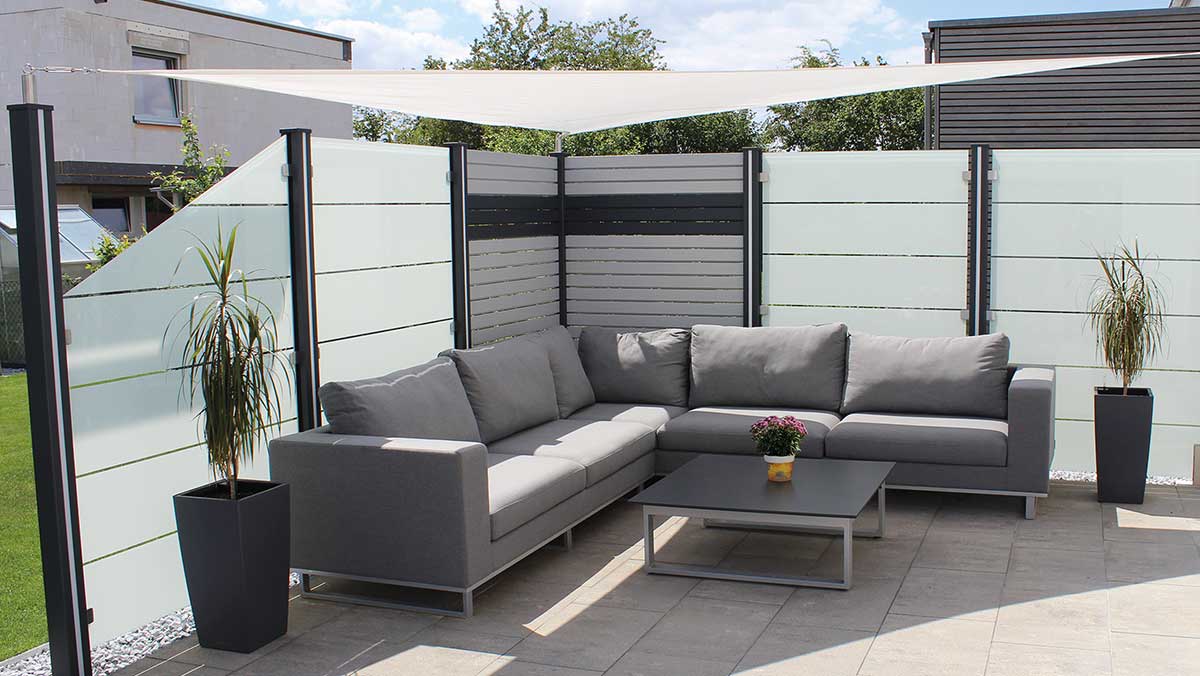
Crafting Your Outdoor Sanctuary: Why Terrace Privacy Matters
In today's fast-paced world, finding a serene escape at home has become more important than ever. Your terrace isn't just an extension of your living space; it's an potential outdoor oasis, a place where you can relax, entertain, and recharge. But to truly unwind, privacy is paramount. This is where a well-chosen **Sichtschutz Terrasse**, the German term for a terrace privacy screen, becomes indispensable. It transforms an open, exposed area into a secluded haven, shielding you from curious glances and often providing a welcome barrier against wind and noise.
Achieving this ideal outdoor sanctuary involves a delicate balance. You want a solution that not only offers effective privacy but also aligns with your aesthetic preferences, budget, and willingness to maintain it. The market offers an astonishing array of options, from natural, living screens to robust, permanent structures, each with its own set of characteristics regarding cost, upkeep, and overall style. Let's delve into the diverse world of terrace privacy solutions to help you make an informed choice for your personal retreat.
The material you choose for your terrace privacy screen will significantly influence its appearance, durability, and required maintenance. From classic wood to modern composites and natural greenery, there’s a perfect fit for every taste and functional need.
Timeless Elegance: Wooden Privacy Screens
Wooden privacy screens remain one of the most beloved choices for homeowners seeking a natural and inviting aesthetic. They come in an incredible variety of designs, from classic solid panels and slatted screens to decorative lattice work, offering flexibility in both privacy level and visual appeal. You can find them in numerous colours, sizes, and widths, making them highly adaptable to any terrace design.
- Pros: Wooden screens offer a warm, organic look that blends beautifully with garden landscapes. They can be painted, stained, or treated to match your home's exterior, and often double as an effective windbreak. Their versatility allows for personal touches like hanging plants, lighting, or artwork.
- Cons: The primary drawback of wood is its need for regular maintenance. To protect against sun, rain, and moisture, wooden screens require periodic sealing, staining, or painting. Without proper care, wood can warp, rot, splinter, or fade, significantly shortening its lifespan.
- Expert Tip: Opt for naturally durable woods like cedar or redwood, or pressure-treated pine, for better longevity. Regular application of a quality wood preservative or stain will be key to preserving its beauty and structural integrity.
Budget-Friendly & Natural Charm: Bamboo Roll-Out Mats
For those seeking an immediate and inexpensive privacy solution, roll-out bamboo mats are a fantastic starting point. With incredibly low price points, they offer an accessible way to add a touch of natural, rustic charm to your outdoor space.
- Pros: Bamboo mats are exceptionally affordable and quick to install, often simply needing to be unrolled and attached. Their lightweight nature makes them easy to handle and ideal for temporary fixes or rental properties.
- Cons: The affordability often comes at the cost of durability. Bamboo mats are generally not robustly weather-resistant and tend to degrade relatively quickly when exposed to the elements. They also require an existing fence, railing, or sturdy posts for attachment, making them more common on balconies where such structures are already in place. Their thin construction may not offer complete visual blockage.
- Expert Tip: Consider bamboo mats as a temporary or seasonal solution. To extend their life, treat them with a UV-protective sealant and take them down during harsh weather conditions. They are excellent for adding a natural layer over an existing, less attractive barrier.
Robust & Romantic: Stone Walls and Gabions
A stone wall offers a sense of timeless elegance and unparalleled permanence. Far more than just a privacy screen, a meticulously crafted stone wall can become a defining architectural feature of your garden, lending a romantic, almost ancient, ambiance.
- Pros: Stone walls are incredibly durable, offering superior privacy and excellent protection against wind. Once built, they require virtually no maintenance. They add substantial value to your property and can be integrated seamlessly into existing landscaping.
- Cons: Building a stone wall is a significant undertaking. It requires considerable initial investment, professional expertise for proper construction (especially regarding foundations and stability), and must adhere to local building codes concerning height and placement. It’s important to choose natural, uncut stones rather than machine-made pavers to achieve that desirable "romantic" look. Furthermore, ensure the wall isn't placed too close to the terrace, potentially creating a confined feeling.
- Expert Tip: For a more contemporary and potentially less costly stone option, consider gabion walls. These are wire cages filled with various types of stones, offering a unique texture and robust privacy with a slightly less permanent feel than a mortared wall. They are also excellent for supporting climbing plants.
Modern Versatility: WPC (Wood-Plastic Composite)
For those seeking the aesthetic appeal of wood without the demanding maintenance, WPC (Wood-Plastic Composite) is an increasingly popular choice. This engineered material combines wood fibres with recycled plastics, offering the best of both worlds.
- Pros: WPC screens boast exceptional durability and are highly resistant to rot, insects, and splintering. They require minimal maintenance – no painting, staining, or sealing needed, just occasional cleaning. Available in a wide range of colours and finishes, WPC provides a sleek, modern look that can mimic different wood types.
- Cons: The initial cost of WPC can be higher than some natural wood options. While very durable, some colours may fade slightly over many years, and deep scratches can be harder to repair than on wood.
- Expert Tip: WPC is an ideal choice for busy homeowners who want a stylish, long-lasting privacy solution with very little upkeep. Look for products with high UV resistance to ensure colour stability.
Sleek & Transparent: Glass Privacy Panels
Glass privacy screens offer a distinctly modern and elegant solution, perfect for those who want privacy without sacrificing light or a sense of openness.
- Pros: Glass panels provide excellent wind protection while allowing light to filter through, maintaining a bright and airy feel on your terrace. They are highly durable (made from tempered safety glass) and easy to clean, offering a sophisticated, minimalist aesthetic.
- Cons: Glass is typically one of the most expensive privacy options, largely due to material cost and specialized installation. While offering wind protection, clear glass provides limited visual privacy unless it's frosted, tinted, or etched, which further increases cost. Smudges and streaks can also be more noticeable.
- Expert Tip: To balance light and privacy, consider frosted, sandblasted, or tinted glass panels. These options obscure direct views while still allowing ambient light to pass through, creating an elegant and private enclosure.
Flexible & Stylish: Fabric or Textile Screens
Fabric or textile privacy screens are a versatile and often retractable option, perfect for adding a touch of softness and colour to your terrace.
- Pros: Available in a vast array of colours, patterns, and opacities, fabric screens offer significant design flexibility. They are lightweight, easy to install and remove, and many can be retracted when not needed. They are generally more affordable than hard material options and can provide good UV protection.
- Cons: Fabric screens are less durable than rigid materials and are more susceptible to wear and tear from wind, sun, and rain. They may flap in strong winds and require more frequent cleaning or replacement. The level of privacy can vary depending on the fabric's thickness and weave.
- Expert Tip: Choose outdoor fabrics that are specifically designed to be UV-resistant, water-repellent, and mould-resistant for maximum longevity. Retractable pergolas or side awnings can serve dual purposes for shade and privacy.
Living Greenery: Plants and Hedges
For the ultimate natural privacy solution, plants and hedges offer beauty, environmental benefits, and a truly organic feel.
- Pros: Living screens add beauty, improve air quality, provide habitat for wildlife, and offer a dynamic, ever-changing backdrop. They can be incredibly cost-effective if grown from smaller plants or cuttings, and the variety of species means endless stylistic possibilities.
- Cons: Plants require ongoing maintenance, including watering, pruning, and feeding. They take time to establish and grow to a sufficient height and density for effective privacy. Privacy levels can vary seasonally, especially with deciduous plants. Pests can also be an issue.
- Expert Tip: Opt for fast-growing evergreen shrubs or climbing plants (like ivy or jasmine on a trellis) for quicker, year-round privacy. Consider a mix of plant heights and textures to create a lush, layered effect. Tall planters with slender trees or bamboo can offer quick, movable privacy.
The Balancing Act: Weighing Cost, Maintenance, and Style for Your Terrace Privacy Solution
Choosing the right privacy solution for your terrace involves more than just picking a material; it’s about aligning your desires with practical realities. Let's delve deeper into the interplay of cost, maintenance, and style to help you make an informed decision.
Cost Considerations: Upfront vs. Long-Term Value
The initial purchase price is just one piece of the puzzle. Consider the full financial picture:
- Low Initial Cost: Bamboo mats and some fabric screens are budget-friendly for immediate solutions. However, their shorter lifespan might mean replacement costs down the line.
- Mid-Range Investment: Wooden and WPC screens often fall into this category. While wood may be cheaper upfront, its ongoing maintenance costs (sealants, stains, labour) can add up. WPC has a higher initial cost but virtually no maintenance expense, making it a potentially more economical choice over the long term.
- High Investment: Stone walls, gabions, and glass panels represent significant upfront expenditures, largely due to material costs and the need for professional installation. However, their exceptional durability and minimal maintenance translate into excellent long-term value and often boost property appeal.
Don't forget to factor in installation costs, which can vary wildly depending on the complexity of the screen and whether you opt for DIY or professional help.
Maintenance Commitment: Time vs. Ease
Your lifestyle and willingness to dedicate time to upkeep should heavily influence your choice:
- High Maintenance: Natural wood and living plant screens demand regular attention. Wood requires cleaning, sanding, staining, or painting to protect it from the elements. Plants need watering, fertilising, pruning, and pest control. If you love gardening and DIY, this can be a rewarding commitment.
- Moderate Maintenance: Fabric screens require occasional cleaning and may need to be stored during harsh weather to extend their life. Bamboo mats might need annual treatment or replacement.
- Low Maintenance: WPC, stone, and glass are the champions of low upkeep. An occasional wash to remove dirt and grime is usually all that’s needed. This makes them ideal for busy individuals or those who prefer to spend their terrace time relaxing, not working.
Aesthetic Integration: Harmonizing with Your Home and Garden
The style of your **Sichtschutz Terrasse** should complement your home’s architecture and your garden’s existing theme.
- Traditional/Rustic: Wood (especially natural finishes), stone walls, and lush green hedges fit beautifully with classic and country-style homes.
- Modern/Minimalist: Sleek WPC panels, frosted glass, or gabion walls offer clean lines and contemporary appeal.
- Bohemian/Natural: Bamboo, natural fabrics, and climbing plants create a relaxed, organic, and inviting atmosphere.
Consider the colour, texture, and visual weight of the material. A heavy stone wall might overwhelm a small terrace, while a light fabric screen might feel out of place against a grand, traditional facade.
Practical Considerations & Expert Tips for Your Terrace Privacy Project
Beyond the material itself, several practical factors can influence the success and longevity of your terrace privacy solution.
- Local Regulations and Permits: Before embarking on any significant construction, especially for permanent structures like stone walls or tall fences, always check with your local municipality. There may be height restrictions, setback requirements, or specific permits needed.
- Wind Resistance: If your terrace is exposed to strong winds, this should be a major consideration. Solid panels (wood, WPC, stone) offer the best wind protection but can also create significant wind loads, requiring robust foundations and sturdy installation. Slatted designs or permeable materials like bamboo or open weave fabrics allow some air to pass through, reducing pressure but also offering less complete blockage.
- Sun Exposure: The amount of sun your privacy screen receives affects both its material and the plants around it. Materials can fade or degrade faster under intense UV exposure, while plants need appropriate light conditions to thrive.
- Integration with Landscaping: Think of your privacy screen as an integral part of your garden design. How will it interact with existing flower beds, pathways, and seating areas? Can you integrate lighting or water features into the design?
- DIY vs. Professional Installation: While roll-out bamboo mats and some fabric screens are relatively easy DIY projects, installing wooden panels, WPC fences, or especially stone walls and glass panels, often requires professional expertise for structural integrity and a polished finish.
- Multi-functional Screens: Consider how your privacy screen can serve multiple purposes. Can it also be a trellis for climbing plants, provide extra storage with integrated shelving, or incorporate built-in seating?
- Sustainability: If environmental impact is a concern, look for sustainably sourced wood, recycled WPC products, or materials with a long lifespan to minimize waste. Living screens are inherently eco-friendly.
Ultimately, the "best" **Sichtschutz Terrasse** is subjective. It's the one that perfectly balances your personal desire for privacy with your budget, maintenance tolerance, and aesthetic vision for your unique outdoor sanctuary. By carefully weighing these factors, you can create a private terrace that you'll cherish for years to come.